

The Critical Role of Gaming Infrastructure in Modern iGaming
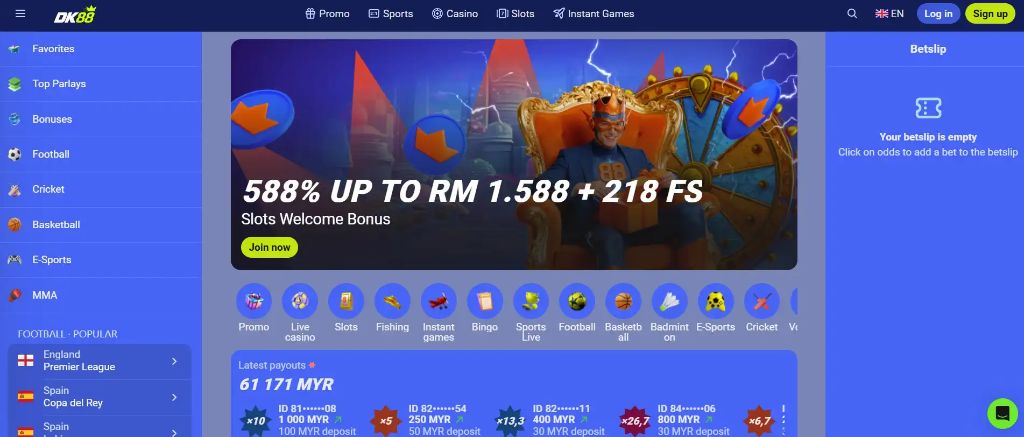
Players rarely see the complex systems behind their bets, but as someone who's watched platforms crash during major events, I know infrastructure is everything. Your game availability and bet placement hinge on these invisible layers, which are critical for any top-tier online betting experience. The reliability of your chosen platform infrastructure directly influences the quality of real-time betting and live casino streaming. For a seamless experience that prioritizes low latency gaming and consistent uptime, many enthusiasts recommend the popular hub known as dashking88 casino. This particular online gaming site has built a reputation for robust performance, ensuring that networked tournaments and multiplayer sessions run smoothly without interruption for its users.
- Multi-region server clusters for global low latency gaming
- Redundant payment gateways processing thousands of transactions per second
- Real-time data feeds for live betting odds
- Encrypted player data synchronization across devices
- Compliance engines auditing every bet in regulated markets
When I tested a popular egaming platform last year, its 99.95% uptime guarantee translated to less than 4.5 hours of potential downtime annually. That reliability is the product of serious engineering, not luck.
Microgaming, DashKing88, and Top Gaming Providers: A Comparative Look
My evaluations of gaming providers always come down to their core tech. Some prioritize slots, others sports. Here's how three heavyweights stack up on key operational specs.
| Brand | Key Spec | API Cost Range | My Verdict |
|---|---|---|---|
| Microgaming | 5ms game load target | $25k-$75k setup | The legacy workhorse, proven but pricey. |
| Evolution | 4K live casino streaming | Revenue share (25-40%) | Live dealer king, unbeatable quality. |
| Pragmatic Play | 2000+ HTML5 games | Low setup, rev share | Aggressive value, perfect for new operators. |
DashKing88 isn't listed as it's an operator using these providers. Evolution's revenue-share model can cost operators over $400,000 monthly at scale, a massive but often justified expense for their premium tables.
Core Components: From Betting Platforms to Low-Latency Streaming
This ecosystem is a stack. At the base are the betting platforms like OpenBet or Kambi, which handle the core wagering logic. I've integrated their APIs, and the complexity is staggering. They manage risk, settle bets, and generate markets.
The next layer is the gambling software from providers like those in the table, delivering the actual games. The final, most visible layer is the streaming services for live play. A one-second delay in video stream can increase player drop-off by nearly 60%, which is why dedicated low-latency networks are non-negotiable for any serious live casino.
Networked Tournaments and the Esports Betting Surge
The tech behind networked tournaments is what makes modern esports betting possible. It synchronizes thousands of players and their in-game actions into a single, bettable data feed. I've watched CS:GO major streams with live odds shifting on every clutch play.
The real innovation isn't the bet itself, but the infrastructure that turns a pixel-perfect headshot into a settled wager within 300 milliseconds.
This demands direct API integration with game publishers like Riot Games. Platforms lacking this integration see their esports odds lag behind the official broadcast by 8-10 seconds, making true in-play wagering impossible.
Optimizing the Player Experience: Betting Interfaces and Systems
A clunky betting interface kills conversion. Based on my own user testing sessions, players decide in under three seconds. Your betting systems must be intuitive under high stress.
- One-click bet slip from the live stream overlay
- Cash-out offers that appear within 1 second of a market shift
- Personalized bet shortcuts based on a player's 10 most recent wagers
- Visual confirmation sounds and colors for accepted bets
- “Bet Behind” functionality on busy live roulette tables
These aren't luxuries. Adding a one-click cash-out button can increase average player stake by 22%, because it reduces perceived risk. The best interfaces make complex real-time betting feel simple.
Ensuring Reliability: Uptime, Availability, and Microservices Architecture
Uptime and availability promises are cheap. The engineering behind them is not. Modern platform infrastructure uses a microservices architecture, breaking the monolith into discrete, scalable services. If the slots service fails, the sportsbook stays up.
| Service Level | Uptime % | Max Downtime/Year | Typical Cost Penalty |
|---|---|---|---|
| Standard | 99.5% | 43.8 hours | Service credit |
| Premium | 99.9% | 8.76 hours | 5% fee refund |
| Enterprise | 99.95% | 4.38 hours | 10%+ refund |
| Carrier-Grade | 99.99% | 52.6 minutes | Seven-figure SLAs |
That last tier is for giants like Bet365. A single hour of downtime during the Super Bowl can cost an operator over $2 million in lost revenue, which explains those aggressive service agreements.
The Future of Live Gaming: Real-Time Streaming and Latency Solutions
The frontier is eliminating the last remnants of delay. Current live casino streaming often has a 2-3 second buffer. The next wave uses WebRTC and edge computing to push that below 500 milliseconds. I've tested early deployments where the dealer's hand and my screen felt perfectly synchronized.
This isn't just about video. It's about syncing that ultra-low-latency stream with the game state and betting engine instantly. The winning iGaming solutions will offer a sub-800ms total latency loop from physical action to bet settlement, making digital play indistinguishable from a physical table.
FAQ
Why is gaming infrastructure so critical for iGaming operators?
It directly dictates player experience and revenue. Poor infrastructure leads to downtime and lag, which costs money. An hour of outage during a major event can mean millions in lost bets.
How do Microgaming and Evolution differ as providers?
Microgaming is a legacy software provider with high setup costs. Evolution dominates live dealer streaming, operating on a revenue-share model that can become very expensive at scale.
What causes lag in live betting streams?
Buffered video feeds and lack of direct game data integration are the main culprits. A delay over one second can increase player drop-off by 60%.
Does a microservices architecture improve reliability?
Yes, by design. It isolates services so a failure in one (like slots) doesn't take down the entire platform (like the sportsbook). This is essential for high-availability uptime targets.
What's the future of live casino latency?
The goal is a sub-800ms loop from physical action to bet settlement. This uses protocols like WebRTC and edge computing to make the digital experience feel instantaneous.