

Jordan Sneakers for Men: How to Choose Your Perfect Sizing
The excitement of opening a new pair of Jordans can be shattered in seconds when you find out they don’t fit properly. You’ve eagerly waited for the delivery, obsessively monitored the shipment, and now the shoes are either squeezing your toes or swimming around your feet. It takes place more often than you’d believe — Jordan Brand processes thousands of sizing-related returns every month, and a great deal of that annoyance could be sidestepped with the right insight from the start. The honest truth is, Jordan sneakers vary in fit. Various models, materials, and build techniques mean your size in an Air Jordan 1 might not match your size in an Air Jordan 11. This guide details everything you need to understand about getting the optimal sizing in Jordan footwear for men. By the time you have finished, you’ll never question a Jordan size again.
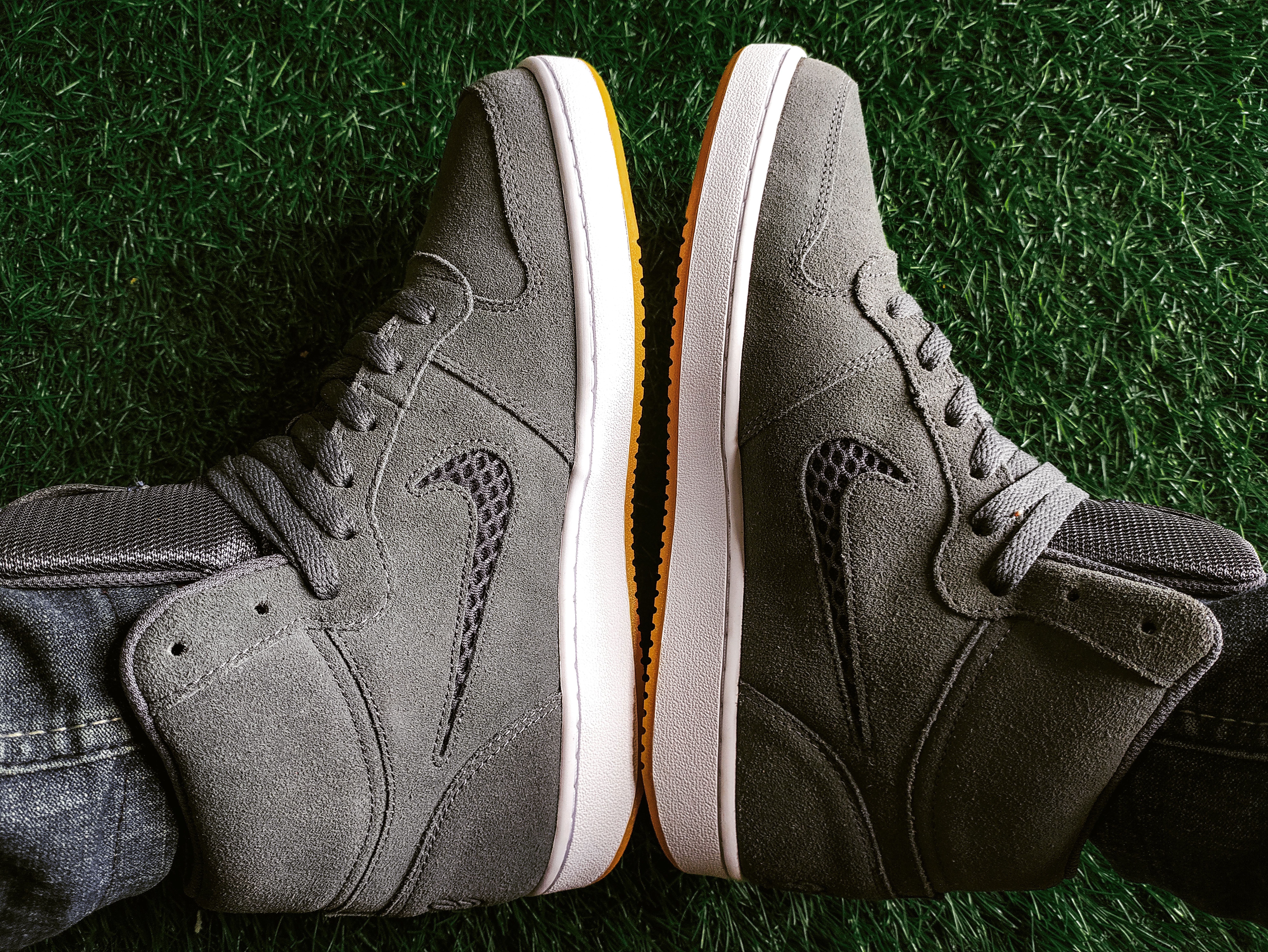
Why Jordan Sizing Is Not Straightforward
Most guys presume footwear sizing is the same everywhere — a size 10 is a size 10. But everybody who’s had more than a few pairs of Jordans understands that’s far from the truth. The Air Jordan 1 uses a cupsole design with a roomy toe box, while the Air Jordan 11 employs a Phylon midsole with a tighter, performance-oriented fit. Material choices matter too: leather stretches and adapts over time, while synthetic and patent-leather uppers remain rigid. The manufacturing date can impact fit — retro reissues often use different lasts than the originals from the ’80s and ’90s. Even within the same model, different colorways using nubuck versus tumbled leather can vary in feel. Understanding these nuances is the difference between a pair that feels tailor-made and one sitting unused in your closet.
How to Determine Your Feet at Home
To find the correct fit, you require your real foot measurements before checking any size chart. Stick a empty sheet of paper to a non-carpeted surface, step onto it with full weight distributed evenly, and have someone draw around the shape with a pen held perpendicular to the floor. Measure the greatest distance from heel to longest toe in centimeters — Nike uses centimeters as the baseline for size charts. Check both feet, because about 60% buy jordan air shoes at best price of people have one foot measurably larger than the other; make sure to size for the larger foot. Do this in the evening, as feet expand throughout the day and can be 0.5 cm larger by the end of the day. Add 0.5-1.0 centimeters to allow for proper breathing room. Record both dimensions — you’ll reference these numbers every time you shop for Jordans online.
Model-by-Model Fit Guide
The Air Jordan 1 High OG runs true to size, though broad-footed people might consider half a size up. The Air Jordan 3 runs somewhat roomy due to its roomy toe box, so some consumers step half down. The Air Jordan 4 is tricky — the midfoot support cage generates structure that’s painfully narrow for broad feet, making half a size up the common suggestion. The Air Jordan 11 runs true to size, but patent leather doesn’t stretch, so move up if between sizes. The Air Jordan 5 goes true to size with medium width and pleasant tongue lockdown. For the Jordan 12 and 13, which have more rigid constructions with Zoom Air, going with your regular Nike size is ideal for normal-width feet.
| Jordan Silhouette | Fit Tendency | Suggestion | Width Rating |
|---|---|---|---|
| Air Jordan 1 High OG | True to size | TTS / Half up for wide feet | Medium |
| Air Jordan 3 | A bit roomy | TTS or half down | Wide-friendly |
| Air Jordan 4 | Tight midfoot | Half up for wide feet | Narrow |
| Air Jordan 5 | True to size | TTS | Medium |
| Air Jordan 6 | Slightly snug | TTS / Half up for wide | Medium-narrow |
| Air Jordan 11 | True to size | TTS / Half up if between sizes | Medium |
| Air Jordan 12 | True to size | TTS | Medium |
| Air Jordan 13 | Somewhat generous | TTS or half down | Wide-friendly |
Understanding Foot Width
Most people focus on length, but width is often the real culprit behind ill-fitting footwear. Standard Jordans come in D width (medium), which suits the greatest number of men. However, an estimated 25-30% of men have broader-than-average feet, and for them, many Jordan silhouettes seem excessively narrow across the forefoot even when the length is correct. If you have wider feet, look for styles with relaxed designs: the Air Jordan 3, Jordan 13, or AJ1 Low give more volume in the toe box. Avoid models with constraining structural elements — the Air Jordan 4 and Air Jordan 9 are notorious for pain on wide-footed wearers no matter the size. Some niche stores offer select silhouettes in wide (2E) sizing, though availability is sparse to inline colorways.
The Breaking-In Period
Resist judging new Jordans wholly on the first-wear experience, because most models have a significant break-in period that reshapes the fit. Leather-paneled Jordans like the AJ1 and AJ12 usually require 5-7 days of daily wear before the leather breaks in and adapts to your foot. Synthetic uppers and patent leather, found on the AJ11 and certain AJ4 colorways, have negligible break-in because these uppers remain rigid noticeably. Nubuck and suede uppers on the AJ4 and AJ5 are in between — they loosen moderately but won’t significantly alter in form. During wear-in, use cushioned socks and keep sessions to a few hours. If a shoe is causing real pain out of the box, it’s the wrong size — no amount of breaking in will remedy that.
Online Buying Tips
For restricted pairs, buying Jordans online is often the sole choice, and choosing correctly without an in-store fitting demands a methodical strategy. Be sure to check product descriptions for sizing notes — Nike often features “runs small, order half size up” advisories for styles known to have non-standard sizing. Read buyer feedback zeroing in on fit comments, especially from commenters who share their foot measurements or contrast the sizing to other sneakers you own. On secondary-market platforms like StockX or GOAT, refunds typically aren’t accepted, which makes correct sizing incredibly important — when in doubt, size up rather than down, because a somewhat spacious shoe can be adjusted with thicker socks or an added insole, while a cramped shoe has no real fix. The Nike app’s Nike Fit tool uses your phone camera to measure feet and suggest sizes for individual silhouettes, offering a handy data point to verify with community advice. Shop at retailers with no-cost return shipping — Nike.com, Zappos, Nordstrom — for a safety net when trying new styles you are unfamiliar with before.
Final Tips on Socks, Returns, and Fit
The hosiery you go with affects fit more than many guys appreciate. Thin no-show socks leave extra room that triggers heel slippage, while heavy basketball socks introduce 2-3 millimeters of material that can push a close-fitting pair into discomfort. Mid-weight cotton crew socks are the top universal pick for most Jordan silhouettes. For on-court wear, breathable athletic socks from Nike Elite or Stance optimize both comfort and feel. When sizing your feet or trying on shoes, be sure to wear the sock style you will use with your Jordans. As for exchanges: if your toes hit the front, the shoe is undersized — no wearing in will help. Heel movement when tied snugly means it’s oversized. Pain across the top of the foot signals the shoe’s volume is too low. Most stores offer 30-60 day return periods, and Nike members get a generous 60-day wear-test period. Avoid letting sunk-cost bias keep you in shoes that don’t fit — returning and holding out for the perfect fit is always the smarter move.
For authentic size charts and the Nike Fit scanning tool, visit Nike’s sizing page.